
What to Do Now Before the Rush Hits
Peak preparation works best when it starts before volume begins to rise. First, review staffing and fleet readiness. Next, check route plans, communication rules, and daily operating routines. Then fix the gaps while there is still time to act.
A strong plan spreads the work across several weeks instead of compressing it into one rushed push. As a result, managers can solve hiring, vehicle, and process issues before they collide during the busiest period.

Peak preparation is easier when staffing, fleet, routes, and communication are reviewed before volume rises.
Peak Preparation Readiness: Check the Operation Now
Start with a clear readiness check across the areas that feel the most pressure during peak. For example, review staffing, fleet condition, route planning, communication, and performance routines. Then turn each gap into a specific action with an owner.
Review Five Core Readiness Areas
Check Routes and Communication
Confirm the Review Process

A readiness check is most useful when every gap has a clear next action.
Peak Preparation Action Plan by Stage
Peak preparation is easier when the work follows a clear order. First, confirm staffing needs. Next, review fleet capacity and maintenance. After that, check routes and communication. Finally, run a full readiness check before volume rises.
Move from Staffing to Final Readiness
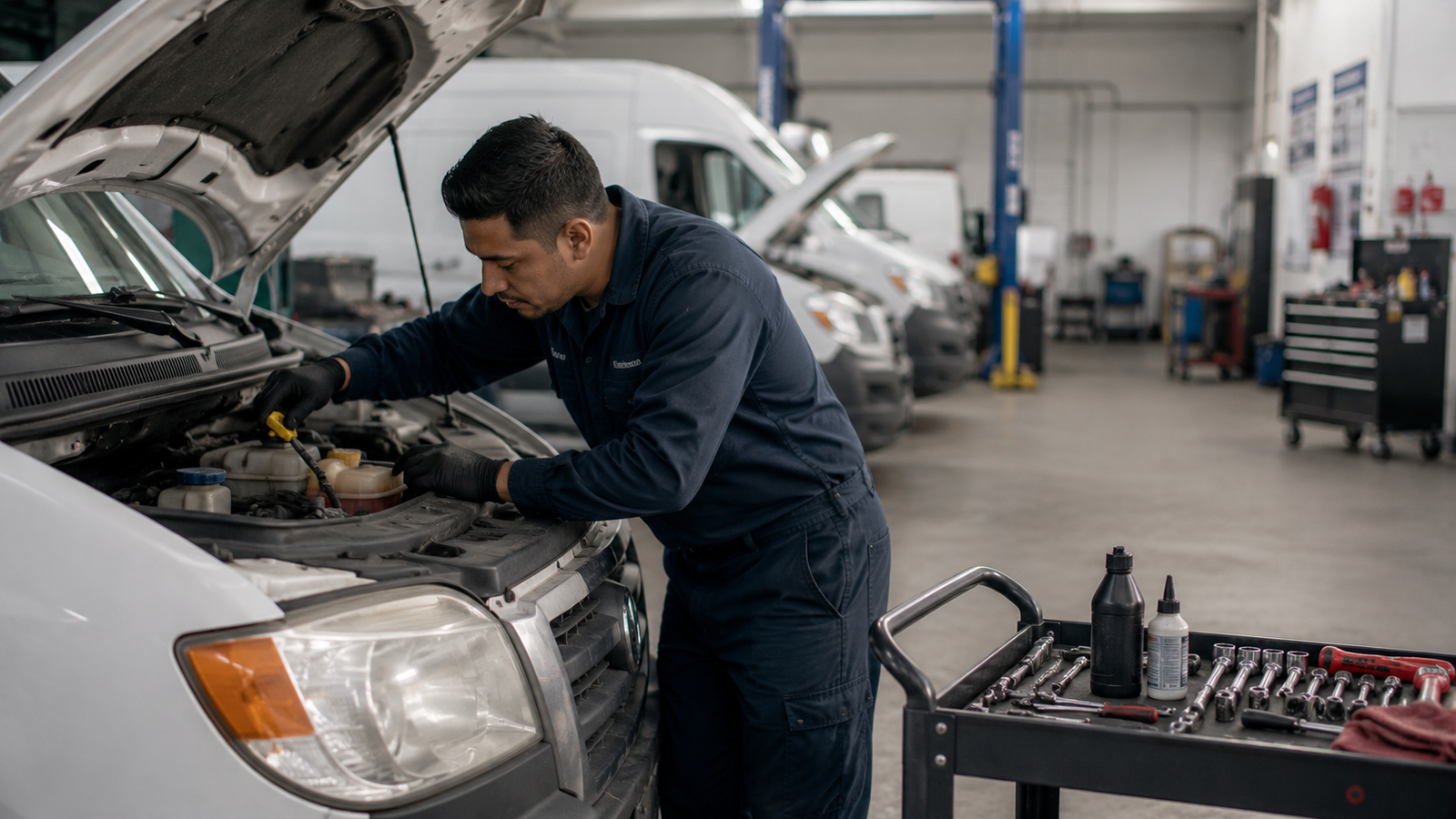
A staged plan keeps staffing, fleet, routes, and communication from competing for attention at the same time.
Two Peak Preparation Areas That Need Extra Attention
Staffing and fleet work are easy to see, so they often get the most attention. However, communication and performance review can create just as much pressure during peak. Therefore, both should be part of the plan before volume rises.
Update the Communication Framework

Peak creates more messages, more route changes, and more mid-shift questions. Because of that, normal communication rules may need a few clear adjustments. Define which channel handles routine updates, urgent issues, and rescue requests.
In addition, give drivers a short peak briefing before the rush begins. Explain what may change, what stays the same, and where drivers should go for help.
Review Performance Before Volume Rises

Review the current performance baseline before peak. Then identify weak areas that could become harder to manage under higher volume. Assign one owner to each follow-up action.
Afterward, keep the review rhythm simple and regular during the busy period. This makes it easier to spot changes early and coach before small issues become patterns.
Peak Preparation Should Be an Ongoing Process
Peak preparation works better as an annual operating habit than as a last-minute project. After each busy season, review what worked and what created pressure. Then turn those lessons into changes for the next cycle.
The best time to improve the next peak plan is while the current lessons are still fresh.
Last Mile Insights — Peak Preparation Framework
Each peak cycle should leave behind a clearer playbook for the next one.
Start Early and Review Often
Early preparation creates more options and less pressure.
Start with the highest-risk gaps first. Next, assign owners and due dates. Then review progress on a regular schedule. For help building stronger operating systems before peak, visit our services page.

Last Mile Insights Staff
First, last Mile Insights publishes practical guidance for delivery service owners and operations managers covering staffing, fleet, routes, compliance, and operational growth. Published by Last Mile Support.