
Last Mile Insights — How DSPs Can Improve Customer Delivery Experience

How DSPs Can Improve Customer Delivery Experience

DSP customer delivery experience comes from repeatable actions at every stop. Package placement, delivery photos, customer contact, and complete delivery attempts all shape the result. Managers can define these actions, teach them, and review them with drivers.

A strong experience also protects the DSP's reputation. Clear training helps drivers understand what good service looks like under route pressure. Daily reminders, complaint reviews, and focused coaching keep those standards visible. This guide explains how to build that approach at the stop, station, and management levels.

Four Areas to Strengthen

Clear
Stop Standards
Define the actions drivers should follow for placement, photos, contact, and delivery attempts.
Early
Issue Review
Review complaints promptly so the team can correct individual or system problems.
Daily
Reinforcement
Use short stand-up reminders to keep one observable behavior in focus.
Fair
Driver Coaching
Use driver-level data, listen for context, and agree on one practical next step.
DSP customer delivery experience driver handing package smiling customer front door

Each stop gives a driver a chance to follow the placement, photo, contact, and conduct standards that shape the customer's experience.

#2. Driver Behaviors That Shape the DSP Customer Delivery Experience

Drivers need concrete standards they can follow without guesswork. General reminders about good service are not enough. Show what correct package placement, photo quality, contact, and professional conduct look like. Then connect each behavior to the related operating result.

Set a Clear Stop Standard
Driver Behavior Impact When Done Poorly The Standard to Train
Package placement
An exposed or incorrect location can cause a complaint, loss, or damage.
Use the designated safe spot. Otherwise, choose a sheltered area near the correct door.
Photo on Delivery quality
A dark, blurry, or poorly framed image may not confirm the delivery location.
Take a clear photo that shows the package and location before leaving the stop.
Knock or ring doorbell
The customer may not know the package has arrived, leaving it exposed.
Follow the notification standard for residential deliveries unless instructions say otherwise.
Customer contact when required
A missed contact attempt can create an avoidable failed delivery or complaint.
Use the approved contact method before recording a failure when contact is required.
Failed delivery attempt protocol
An incomplete attempt can send a deliverable package back to the station.
Complete and document each required attempt step before recording the delivery as failed.
Professional appearance and conduct
Dismissive conduct or poor presentation can create a direct customer complaint.
Follow uniform rules, greet customers professionally, and stay attentive during the interaction.
Package handling in view of customer
Rough handling can damage an item or create a perception of carelessness.
Carry and place packages carefully. Do not toss, drag, or stack them unsafely.
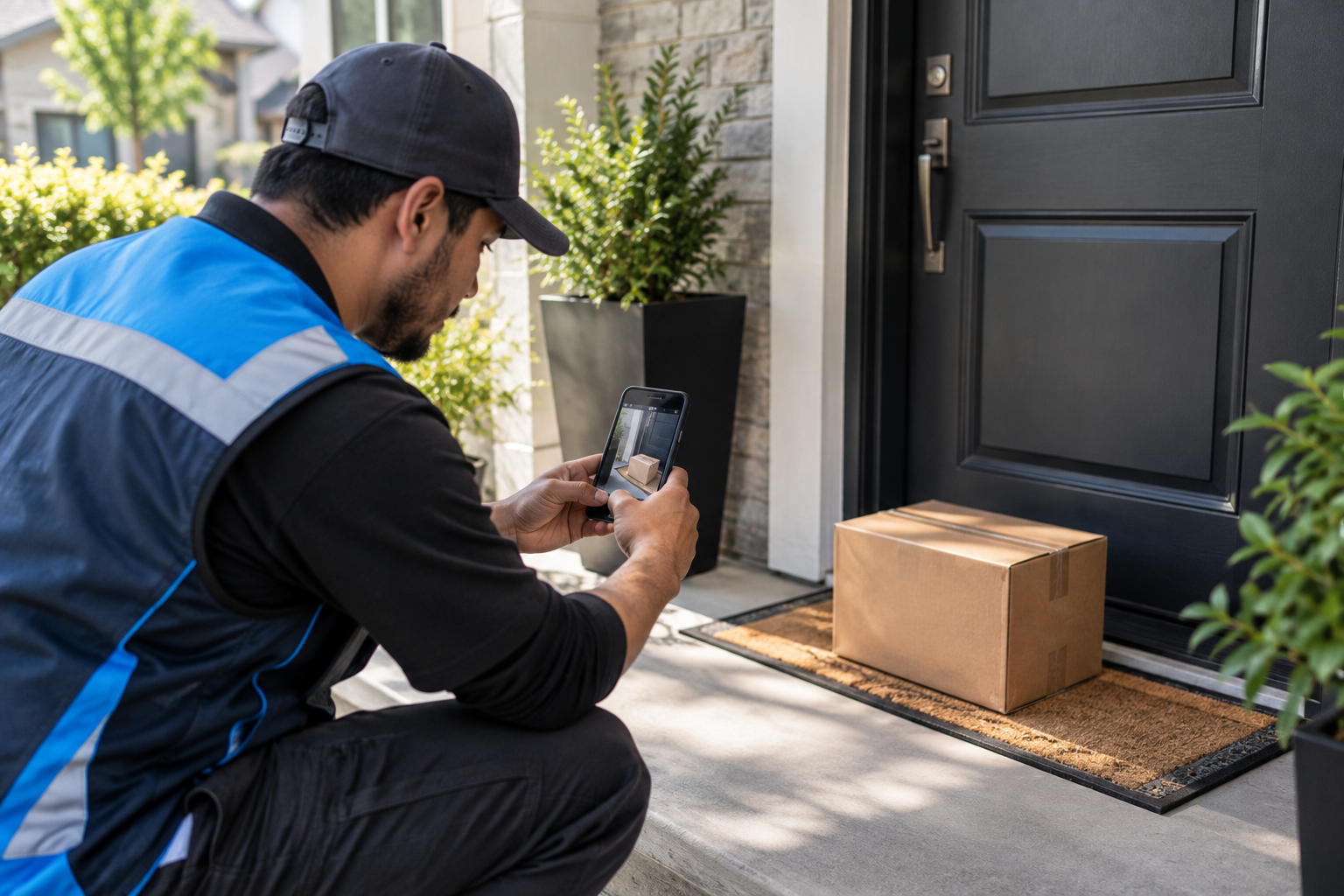
DSP customer delivery experience driver photo on delivery package doorstep POD compliance

A clear delivery photo documents the package and location, helping customers find the item and helping managers review the stop.

#3. Train for a Better DSP Customer Delivery Experience

Customer-focused training should continue after onboarding. Route pressure can cause drivers to skip small but important steps. Use stand-ups, individual coaching, and recent examples to keep the standards active throughout the week.

Make Daily Reinforcement Practical
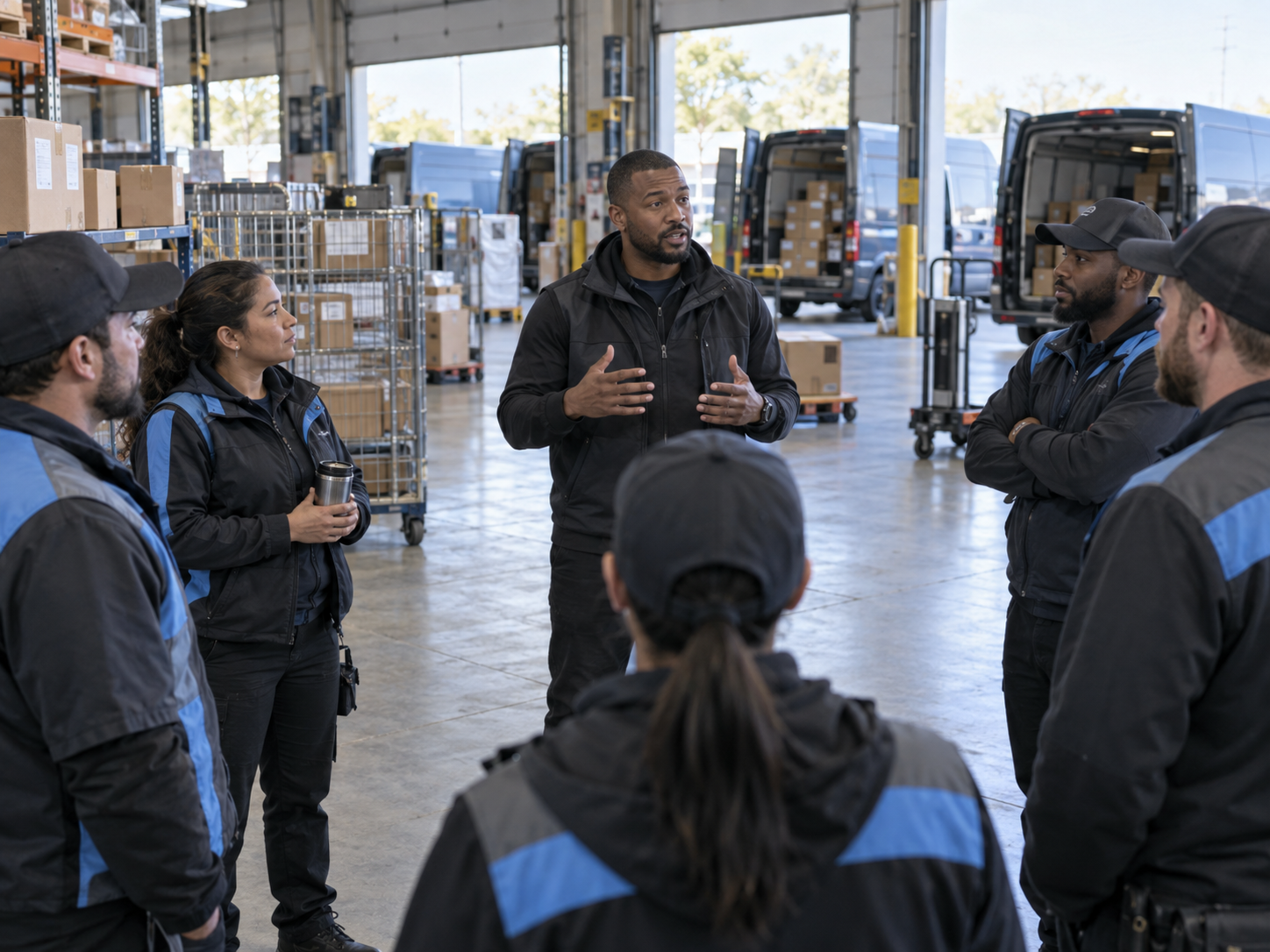
DSP customer delivery experience driver briefing morning standup warehouse manager
Training Approach
The morning stand-up as the primary customer delivery experience training vehicle

The morning stand-up reaches drivers before route pressure begins. Focus on one behavior, such as package placement or photo quality. Keep the instruction brief and observable.

Use a recent example when possible. Compare a useful delivery photo with one that missed the standard. Explain the action that would have prevented a complaint. Specific examples give drivers something they can apply that day.

A Six-Step Training and Review Process

DSP Customer Delivery Experience — Training and Reinforcement Protocol
Run onboarding steps once per new hire — reinforcement steps weekly for all drivers
1
Onboarding — define the standard before the first route
Give each new driver a one-page stop standard. Cover placement, photos, notification, required contact, and conduct. Add clear examples and confirm the driver received the guide.
2
First-week ride-along — observe and coach in real time
Observe a new driver during actual stops when scheduling allows. Give immediate feedback on one behavior at a time. Early observation helps correct habits before they become routine.
3
Daily stand-up — one specific customer delivery experience behavior per briefing
Cover one specific behavior at the morning stand-up. Rotate topics during the week and connect each reminder to a recent example when possible.
4
Weekly data review — identify which drivers need individual coaching
Review available photo, delivery, contact, failure, and complaint data by driver. Use the patterns to choose focused coaching topics. Avoid relying only on team averages.
5
Individual coaching — show the driver their own data, get their explanation
Open with the driver's data, ask for context, and agree on one behavior to change. Record the commitment and set a follow-up date.
6
Recognition — acknowledge specific improvement explicitly
Recognize a specific improvement in private or during the stand-up. Name the useful behavior so the driver knows what to continue.

#4. Use Complaints to Improve the DSP Customer Delivery Experience

Complaints show where the stop experience may have failed. Review them on a regular schedule instead of waiting for a spike. Identify the complaint type, route, driver, and likely behavior when the available information supports that link. Feed useful findings into training and coaching.

Separate Individual and System Issues
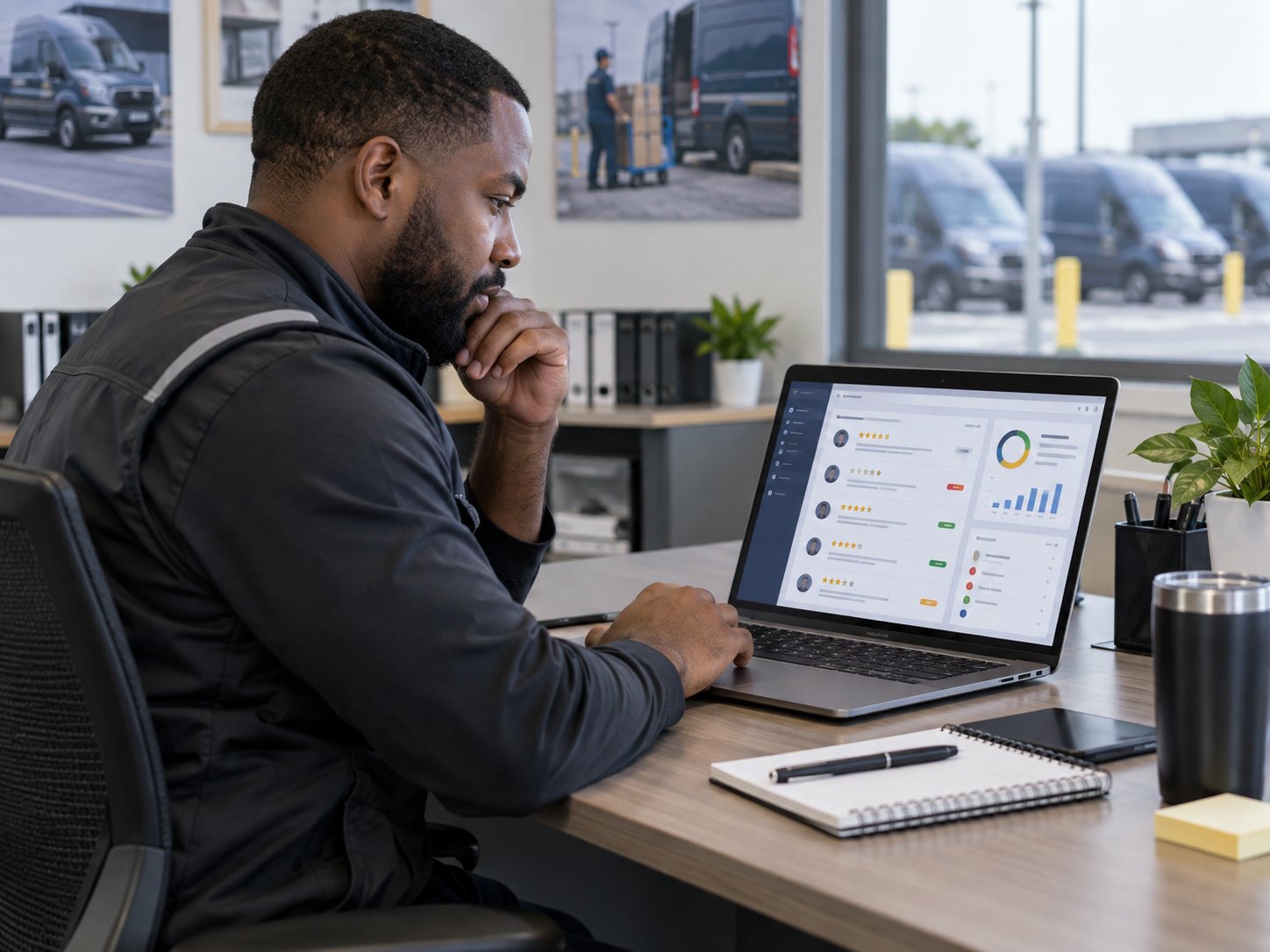
DSP customer delivery experience complaint review manager laptop office feedback
Complaint Management
The complaint review process — turning customer feedback into behavioral change

Make complaint review a standing calendar item. Group feedback into useful types, such as wrong location, damage, conduct, or failed delivery. Attribute it only when the evidence is clear.

Next, look for clusters across routes, drivers, or times. A repeated pattern may point to unclear instructions, route design, or another system issue. Create one list for individual coaching and another for operating changes.

DSP customer delivery experience comes from what the customer sees at the door. Focus on the actions drivers can control at each stop.

Last Mile Insights — DSP Customer Delivery Experience

#5. Connect Stop Behaviors to Scorecard Measures

Customer-facing behaviors connect to several scorecard measures. Map each concern to an observable action before choosing a training response. This approach gives the manager a clear coaching target instead of a broad customer-service message.
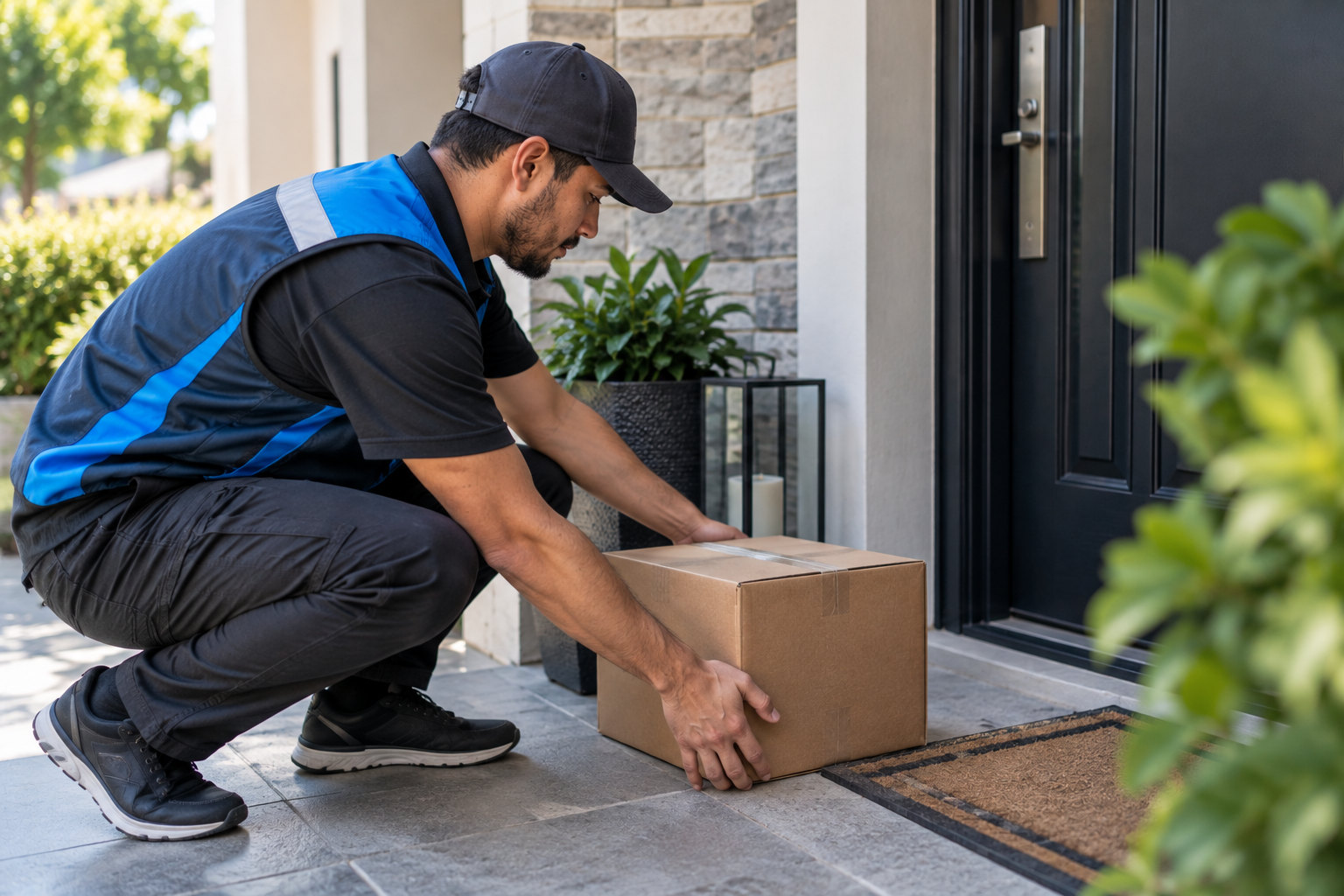
DSP customer delivery experience safe package placement driver doorstep residential delivery

Correct package placement helps customers locate deliveries and reduces avoidable exposure, damage, and delivery questions.

Match Each Measure With an Observable Action

Scorecard Metric CX Link The Driver Behavior That Moves It
Delivered and Received (DAR)Packages confirmed received by customer ÷ total delivered
Take a clear, correctly framed delivery photo that shows the package and its location.
Photo on Delivery (POD)Deliveries with compliant photo ÷ total deliveries
Capture and upload the required photo before leaving the stop.
Delivery Completion Rate (DCR)Packages delivered ÷ packages attempted
Complete and document the required attempt steps before recording a failure.
Contact Compliance (CC)Contact attempts made when required ÷ total required
Use the approved contact method whenever the delivery rules require it.
Customer EscalationsComplaints reaching Amazon about delivery quality or driver conduct
Use professional conduct, careful placement, and the required customer notification.
Safe Driving / Mentor ScoreComposite of speeding, braking, distraction events per hour
Review route pressure and coach safe driving without asking drivers to trade safety for speed.
The Core Principle

Define the standard, teach it often, and coach with specific data.

Clear standards help drivers act consistently. Daily reinforcement keeps those standards visible. When data shows a gap, individual coaching can address the exact behavior instead of repeating a general reminder.

Build a stronger daily routine with our guide to an effective morning stand-up. For individual follow-up, see how to build a driver coaching program. Learn about Last Mile Support on our DSP services page. Public information about the program is available on the Amazon Logistics website. Last Mile Support is independent and is not affiliated with or endorsed by Amazon.
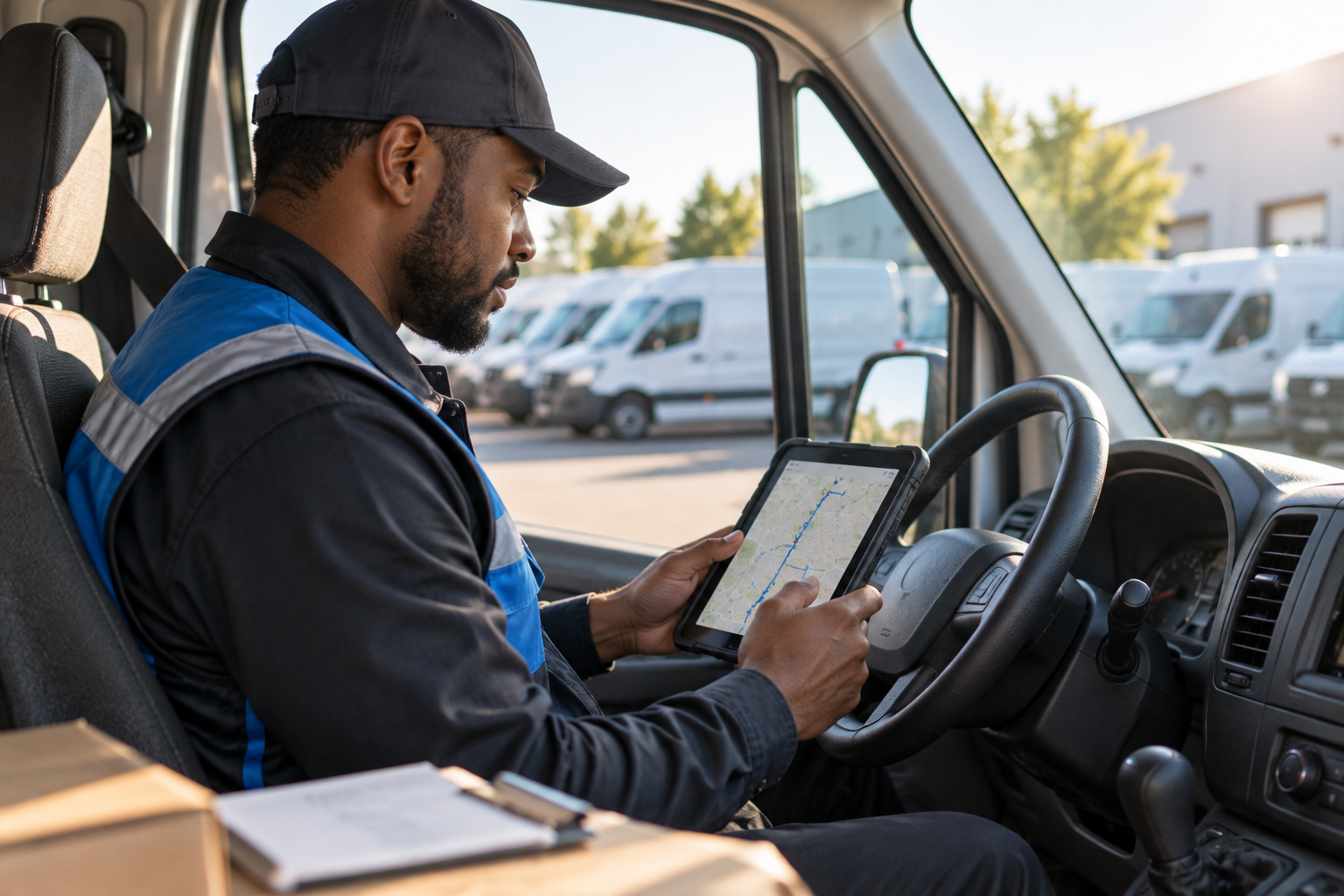
DSP customer delivery experience driver route review van device morning departure operations

Route preparation affects whether drivers have enough time to follow the required stop procedures safely and consistently.

DSP Customer Delivery Experience and Route Pressure

Review customer-experience data beside route completion and return-time patterns. A driver may need coaching, but the route may also leave too little time for the required stop steps. Separate training issues from scheduling issues before choosing the response.

Last Mile Insights Staff

Last Mile Insights Staff

Last Mile Insights publishes independent guidance for DSP owners and operations managers. Topics include driver management, route operations, compliance, and operational growth. Last Mile Support is not affiliated with or endorsed by Amazon.

Comments

Leave a comment

Your comment has been posted!

Leave a Reply

Your email address will not be published. Required fields are marked *