
How Weather Disruptions Affect Last Mile Delivery — and How to Prepare
Last mile delivery weather disruptions can slow routes, raise safety risks, and create communication problems. First, managers need a plan before conditions worsen. Next, they should know when to adjust routes, pause work, or bring drivers back.
A practical weather plan does not need to be complicated. For example, it can combine a clear decision process, a short driver briefing, and a simple communication plan. As a result, the team can act faster when conditions change.
For public guidance on protecting workers during severe weather, review OSHA's severe weather safety resources. This public government resource does not indicate any business affiliation.
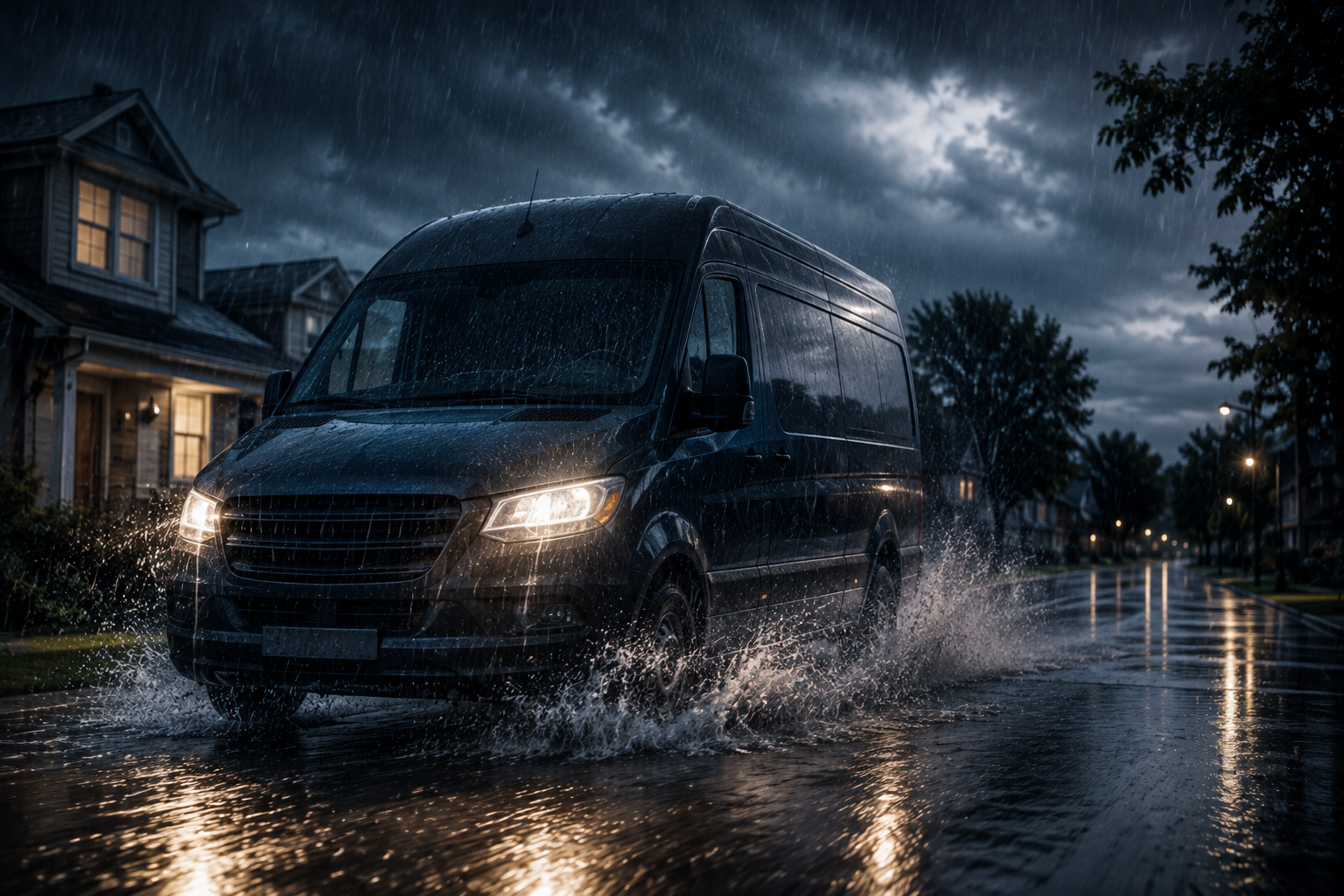
Weather disruptions are easier to manage when the operation has a plan before conditions change.
How Weather Disruptions Affect Last Mile Delivery
Different weather conditions create different risks. Therefore, the response for rain should not look exactly like the response for ice, heat, or high winds. A simple type-specific plan helps managers choose the right action faster.
Rain and Winter Weather
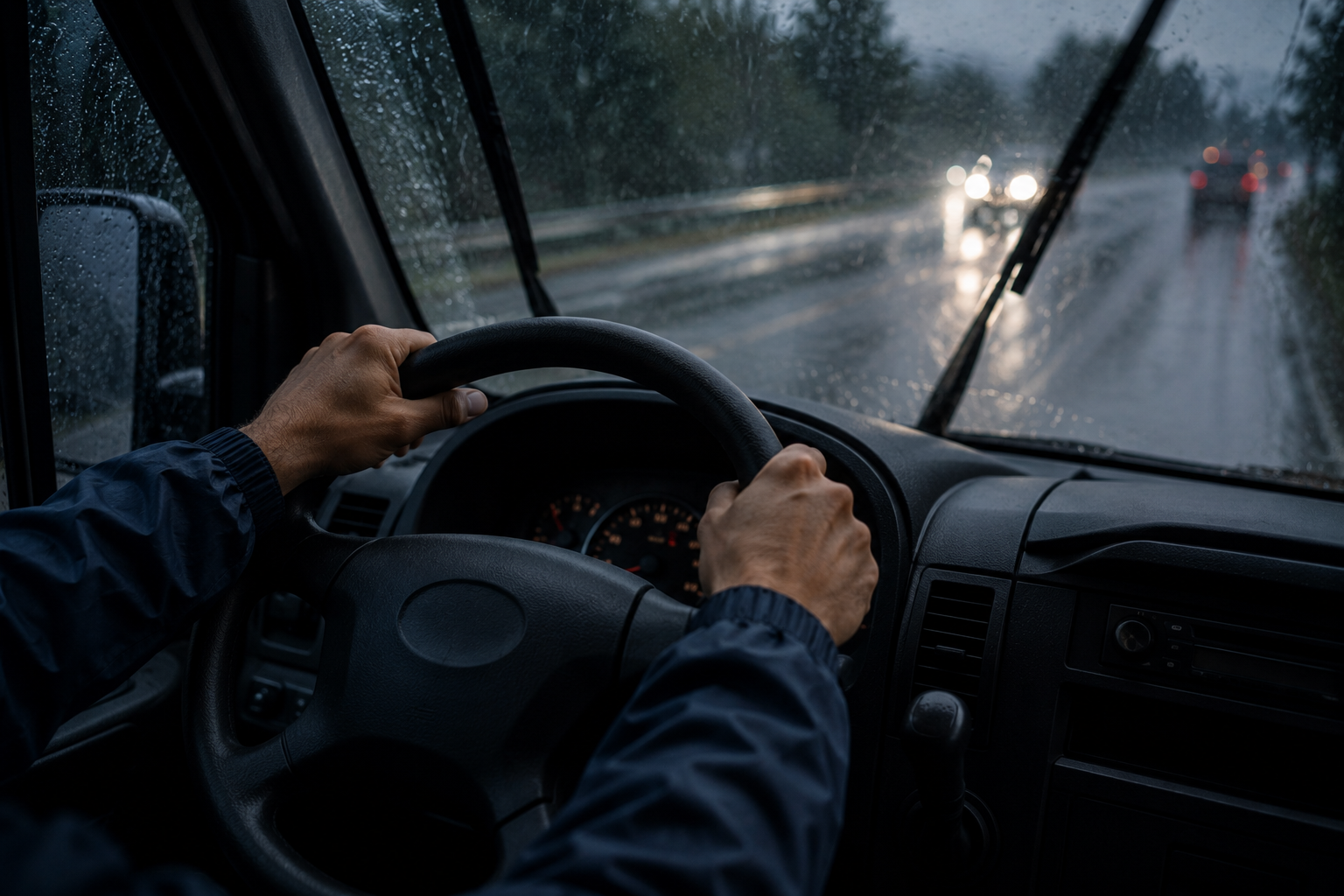
Rain, flooding, snow, and ice require route planning, safe driving changes, and quick communication.
Rain can reduce visibility, slow stops, and make some roads or delivery points harder to reach. Flooding can also make normal routes unusable.
If conditions worsen, reduce unnecessary exposure and avoid flooded roads or unsafe access points.
Snow and ice can reduce traction and make starts, stops, turns, and hills more dangerous. Conditions can also change quickly across different parts of a route.
Inspect vehicles, monitor road conditions, and give drivers clear authority to stop when travel becomes unsafe.
Heat and High-Wind Conditions
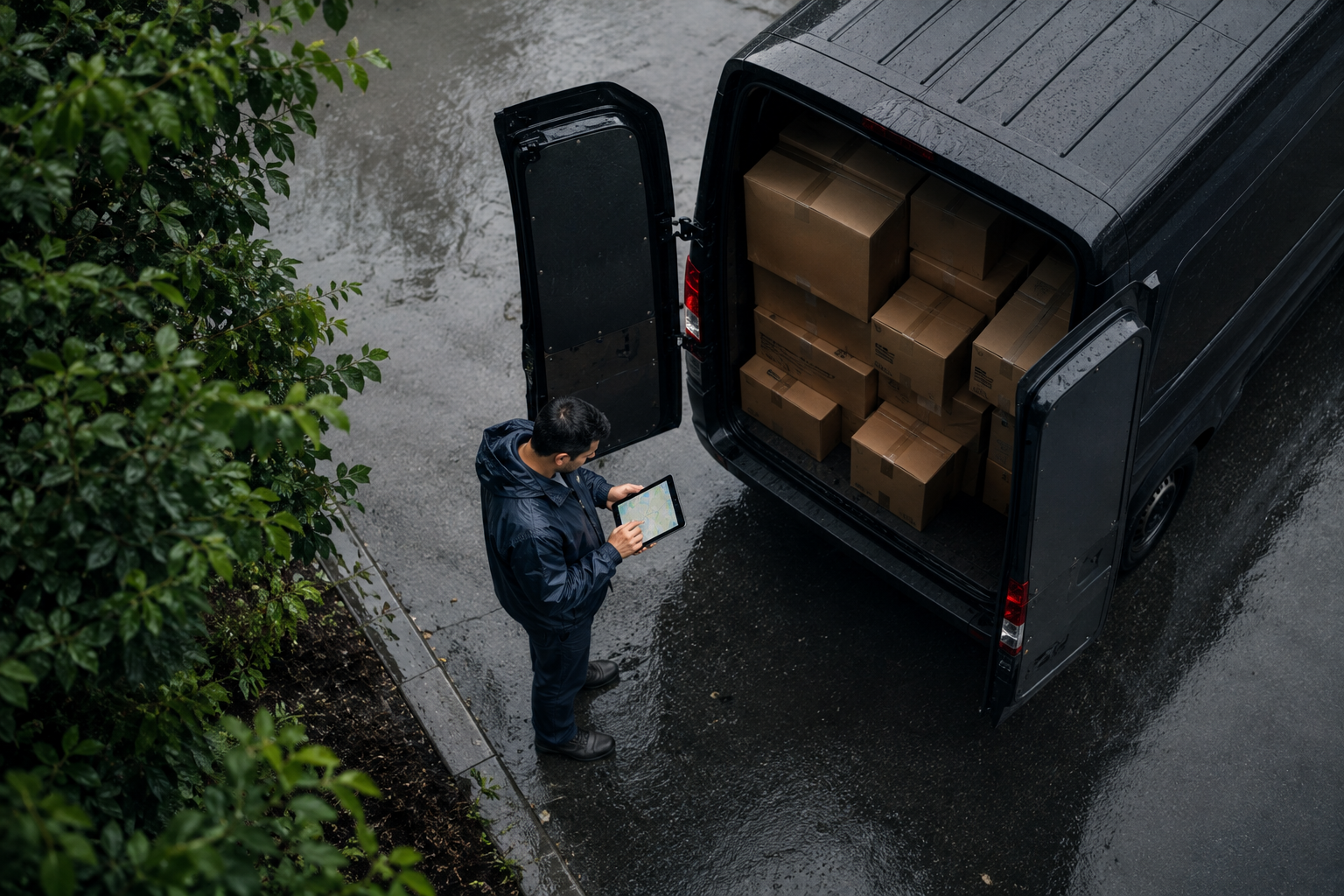
Heat and high winds create different risks, so drivers need condition-specific guidance.
Extreme heat can increase fatigue and heat-stress risk. Vehicle cooling problems can also make long shifts harder to manage.
Provide water, encourage breaks, and make sure drivers know the warning signs of heat illness.
Strong winds can affect vehicle stability and create hazards from debris, branches, or downed lines.
Avoid exposed roads when conditions are severe. Drivers should stop and report dangerous debris or utility hazards instead of trying to pass them.
Build a Weather Decision Framework Before Conditions Worsen
A weather decision framework tells the team who can make key operating decisions and what information should guide them. For example, it should cover route changes, partial recalls, full suspension, and documentation. This reduces confusion during fast-changing conditions.
Define Decisions, Triggers, and Owners
Make the Decision Before Pressure Builds
Early weather decisions usually create more options than waiting until routes are already in trouble.
Last Mile Insights — Weather Disruption FrameworkDriver Briefings for Last Mile Delivery Weather Disruptions
Weather briefings should be short, specific, and tied to the conditions drivers will face that day. Instead of saying only 'be careful,' explain the expected hazards, route concerns, and check-in rules.
Cover Four Points Before the Shift
A specific weather briefing gives drivers clear guidance before conditions become difficult.
Communication and Weather Preparation Habits
Keep Customer Communication Simple and Accurate
When weather causes delays, clear communication helps set realistic expectations. Managers should avoid promises they cannot control and keep messages factual.
For example, explain that weather has affected normal delivery timing and provide the next available update when possible. This keeps communication useful without overpromising.
Review the Weather Plan Before Busy Seasons
The best time to review a weather plan is before the busiest part of the year. Then managers can update contacts, routes, vehicle checks, and briefing templates before they are needed.
In addition, assign a clear owner for each part of the plan. A written process is easier to use under pressure than a general understanding.
Prepare Before the Storm
Good weather response starts before conditions become dangerous.
First, define who makes route and safety decisions. Next, brief drivers and check vehicles. Then document important changes and keep communication clear. For help building stronger operating processes, visit our dispatch support page.

Last Mile Insights Staff
Last Mile Insights publishes practical guidance for delivery service owners and operations managers covering drivers, routes, safety, compliance, and operational growth. Published by Last Mile Support.